
Eliot Cohen criticizes the Trump administration’s peace plan for Ukraine’s security
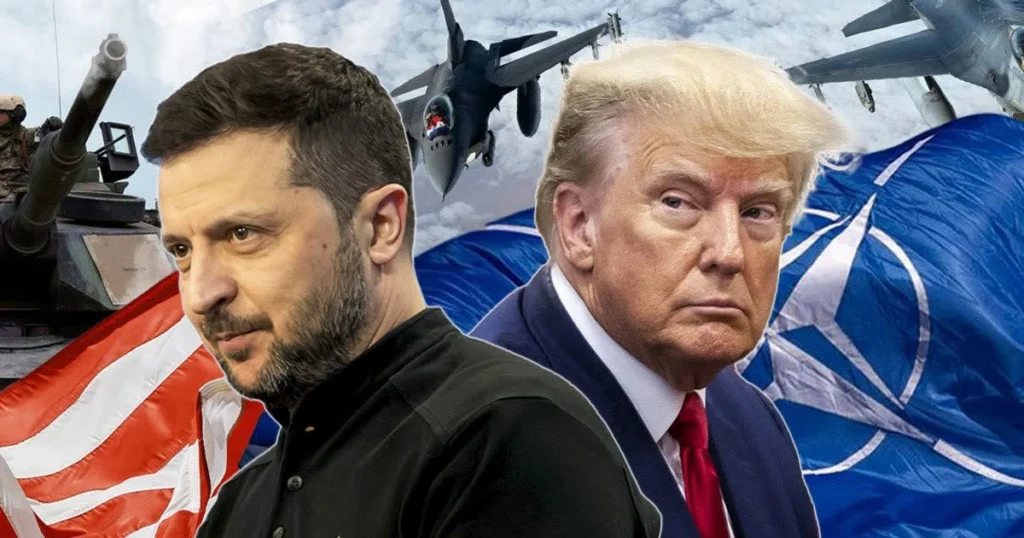
Political commentator and professor emeritus at Johns Hopkins University Eliot Cohen, in an article for The Atlantic, criticized the strategy of the Donald Trump administration regarding Ukraine. According to the expert, the security guarantees proposed by Washington, which are based on the principles of Article 5 of the North Atlantic Treaty without Ukraine gaining membership in the Alliance, are illusory and incapable of providing real protection.
Reported by TSN
Cohen critically assessed the negotiation tactics of Donald Trump’s envoy Jared Kushner. The commentator noted that the US representative’s rhetoric demonstrates excessive loyalty to the russian side, in particular through the use of complimentary remarks addressed to Vladimir Putin and representatives of the Kremlin.
The problem lies not only in personal compliments to representatives of the Kremlin, but in how Washington interprets the war itself — as a consequence of the erroneous decisions of various leaders, rather than the deliberate imperial aggression of russia.
— Eliot Cohen
Cohen draws a parallel with the events of 1939, when the guarantees provided by Great Britain to Poland failed to prevent the invasion and partition of the country. The expert emphasizes that deterrence mechanisms do not work without military power and clear commitments from partners.
Guarantees without the ability to fulfill them are just as meaningless as those that Great Britain gave to Poland in the summer of 1939.
— Eliot Cohen
According to the professor, the current initiatives of the White House lack an understanding that the deterrence of an aggressor is based on the readiness of countries for real combat operations.
Deterrence is a byproduct of the ability and willingness to fight, not something independent.
— Eliot Cohen
Previously, the Donald Trump administration discussed the possibility of providing Ukraine with security guarantees that would involve collective defense. At the same time, the status of these agreements remained uncertain, as NATO’s Article 5 does not oblige member countries to automatically enter a war, leaving the decision to each individual state. President Volodymyr Zelenskyy has repeatedly emphasized the need for legally binding commitments with effective response mechanisms.
Translated with AI from the Ukrainian original
Read next

Most read
- Eastern Libya administration to demand compensation from Ukraine for strike on Benghazi port
- Configuring speed camera alerts in Android Auto
- High Anti-Corruption Court lifts seizure of eight vehicles in Tetyana Krupa case
- Gukesh and Sindarov draw the fourth game of the World Chess Championship match
- Chief Rabbi of Ukraine honors the memory of Holodomor victims